Do Philippine SMEs Need BIR E-Invoicing? Here's What You Need to Know
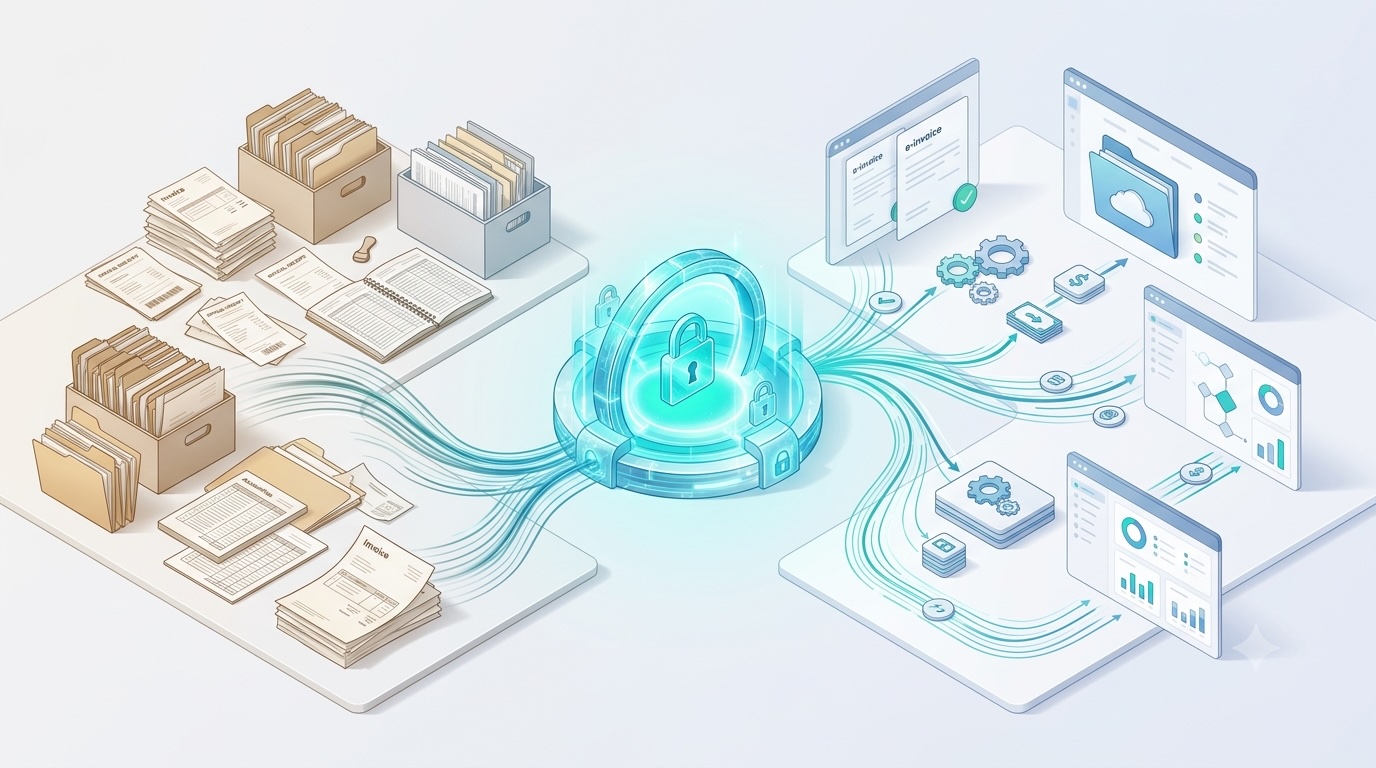
If you've been hearing about BIR e-invoicing and wondering whether it applies to your business, you're not alone.
Update (October 2026): The BIR has since issued RMC 98-2026, which confirms a December 31, 2026 deadline for covered taxpayers. Micro taxpayers are exempt this round. For the current coverage rules, see our December 2026 e-invoicing guide.
Many SME owners assume they need to immediately replace their accounting or POS systems. Others believe e-invoicing only applies to large corporations.
The truth is, it depends on your business and the BIR requirements that apply to you.
Before making any decisions, it's important to understand what BIR e-invoicing actually means.
What Is BIR E-Invoicing?
BIR e-invoicing is part of the Philippines' ongoing digital transformation initiatives designed to improve tax compliance and streamline business reporting.
In simple terms, e-invoicing allows businesses to electronically generate and transmit invoice or receipt information in a standardized format.
The goal is to make business transactions more transparent, efficient, and easier to audit.
Does It Apply to All SMEs?
Not necessarily.
Not all Philippine SMEs are currently required to adopt e-invoicing. Requirements may vary depending on factors such as:
- Your industry
- Annual gross sales
- Regulatory requirements
- Future BIR implementation guidelines
If you're a small business owner, there's no need to panic or rush into purchasing new software without first understanding your obligations.
The best first step is to determine whether your business falls under any current or upcoming BIR requirements.
Why Should SMEs Care?
Even if e-invoicing isn't yet mandatory for your business, digital compliance is becoming increasingly important.
Businesses that prepare early often benefit from:
- Better record keeping
- Faster reporting processes
- Improved audit trails
- Reduced manual paperwork
- More efficient business operations
Preparing for digital compliance isn't simply about meeting regulatory requirements. It is also an opportunity to modernize how your business operates.
How Can SMEs Prepare Today?
You don't need to overhaul your entire business overnight.
Start with the basics:
- Organize your financial records.
- Digitize manual processes where possible.
- Understand your current invoicing and reporting workflows.
- Stay updated on BIR announcements and implementation guidelines.
- Evaluate whether your existing systems can support future compliance requirements.
- Check whether a provider is BIR-accredited before signing up for any e-invoicing solution.
Taking small steps today can make future transitions significantly easier.
Common Misconceptions About BIR E-Invoicing
Let's clear up a few common misconceptions.
"All SMEs are required to comply immediately."
Not necessarily. Requirements depend on the regulations that apply to your business.
"I need to buy new software right now."
Not always. Understanding your compliance requirements should come before investing in any technology.
"E-invoicing is only about taxes."
It's also about improving business processes, record keeping, and operational efficiency.
"Any software vendor can set up e-invoicing for me."
Not anymore. Under RMC 110-2026, providers that offer e-invoicing or sales reporting solutions to other businesses need BIR accreditation. Ask for proof, such as their Electronic Invoicing Solutions Accreditation Certificate, before you sign.
What SME Owners Should Remember
BIR e-invoicing is part of a larger shift toward digital business compliance in the Philippines.
Whether or not it currently applies to your business, understanding the requirements today can help you make better decisions tomorrow.
Digital compliance shouldn't be viewed as just another regulatory requirement. It is increasingly becoming part of how modern businesses operate.
The businesses that adapt early are often the ones best positioned to grow with confidence in an increasingly digital economy.
This article is for general information and is not tax or legal advice. Ailalay is not a BIR-accredited e-invoicing service provider. Confirm your obligations with your accountant, RDO or LTS.